How to Identify and Track Your Fertile Window
Understanding your fertile window is one of the most empowering steps you can take, whether you are trying to conceive or simply want to learn more about your body's natural rhythms. The fertile window is the brief period during your menstrual cycle when pregnancy is possible.
In this guide, we will walk you through what the fertile window is, how to identify it, and the best methods for tracking your fertility safely and privately.
What is the Fertile Window?
The fertile window is typically a six-day interval in your menstrual cycle. It includes the five days leading up to ovulation and the day of ovulation itself.
Because sperm can survive in the female reproductive tract for up to five days under the right conditions, and an egg lives for about 12 to 24 hours after being released, intercourse during this six-day timeframe carries the highest probability of resulting in pregnancy.
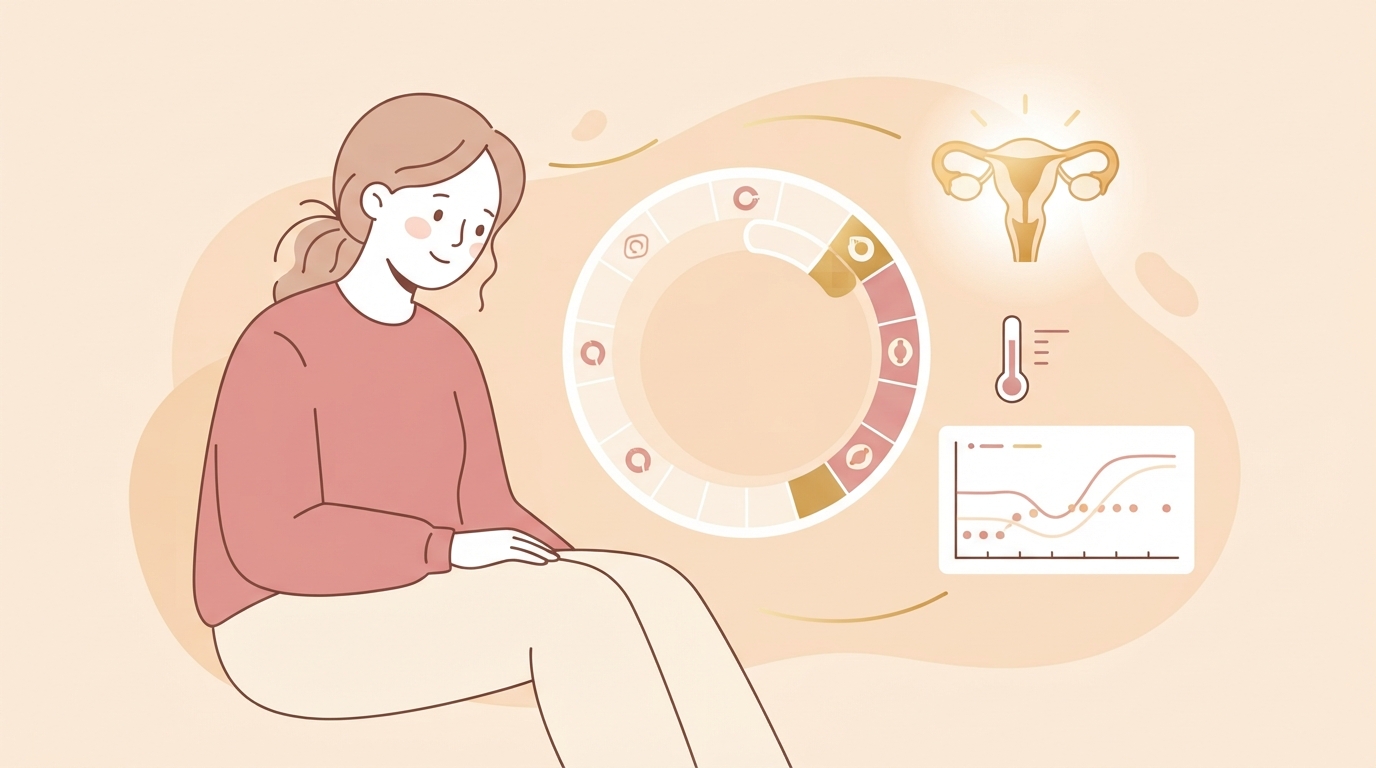
Key Signs of Fertility
Your body provides several physiological clues that ovulation is approaching. By paying attention to these signs, you can effectively pinpoint your fertile window.
1. Changes in Cervical Mucus
As you approach ovulation, rising estrogen levels cause your cervical mucus to change. It typically becomes clear, slippery, and stretchy—often compared to the consistency of raw egg whites. This type of mucus is highly supportive of sperm, helping them swim through the cervix and survive longer.
2. Basal Body Temperature (BBT) Shift
Your basal body temperature is your body's temperature at rest. After ovulation occurs, increased progesterone levels cause a slight but noticeable rise in your BBT (usually around 0.5 to 1 degree Fahrenheit). While BBT confirms that ovulation has already happened rather than predicting it, charting it over several months can help you understand your cycle pattern.
3. Mild Pelvic Pain (Mittelschmerz)
Some people experience mild, one-sided pelvic pain or twinges around the time of ovulation. Known as "mittelschmerz" (German for "middle pain"), this can be a helpful secondary sign that an egg is being released.
4. Changes in Cervical Position
During your fertile window, your cervix undergoes physical changes. It typically moves higher up, becomes softer to the touch, and opens slightly to allow sperm to enter.
Methods for Tracking Your Fertile Window
There are several methods you can use to track your cycle and identify your most fertile days.
The Calendar Method
If your cycles are highly regular, you can estimate your fertile window by counting days. Ovulation usually occurs about 14 days before the start of your next period. However, since cycle lengths can vary, this method is most effective when combined with other observations.
Ovulation Predictor Kits (OPKs)
OPKs are urine tests that detect the surge in Luteinizing Hormone (LH) that occurs 24 to 36 hours before ovulation. A positive OPK is a strong indicator that your fertile window is at its peak.
Symptothermal Method
This involves tracking both your Basal Body Temperature (BBT) and your cervical mucus. Combining these two indicators provides a highly accurate picture of your fertility and helps pinpoint both the opening and closing of your fertile window.
Why Private Tracking Matters
When tracking deeply personal data like your basal body temperature, cervical mucus, and intercourse, privacy is paramount. Many popular period tracking apps store this sensitive information on external servers, potentially exposing it to third parties or data breaches.
Using an offline-first tracker ensures that your most intimate health data never leaves your device. You can understand your body and your fertility without compromising your digital privacy.
FAQs
How long does the fertile window last?
The fertile window lasts for about six days: the five days leading up to ovulation and the day of ovulation itself.
Can I get pregnant outside of my fertile window?
It is highly unlikely. Pregnancy requires a viable egg and living sperm. Once the egg dies (12-24 hours after ovulation), conception is not possible until the next cycle.
Do ovulation predictor kits confirm ovulation?
No. OPKs detect the hormone surge that triggers ovulation, but they do not confirm that an egg was actually released. Tracking your basal body temperature is the most reliable at-home method to confirm ovulation has occurred.
Take Control of Your Health with Ayla
Understanding your fertile window shouldn't mean sacrificing your privacy. Ayla is an offline-first, privacy-focused period and pregnancy tracker designed to keep your data exactly where it belongs: on your device. Start tracking your cycle safely today.